History of Mumbai: Fascinating Facts That Shaped the City
The history of Mumbai is as diverse as the cultural identity that defines it.
However, the cultural identity is not the only thing that will surprise you if you dig deep into the history of Mumbai. Enthralling heritage, modern amenities, world-class facilities and warm people are some of the features of this cosmopolitan city. If you step into this colorful city either for business or leisure, you might be taken aback at the sheer number of people on the streets. But, that’s not all that defines the bustling city.
Grandeur architecture notwithstanding there could be small moments of kindness that might amaze you. If you are wondering what makes the origin of Mumbai special among all international cities you can’t ignore the presence of the major industries and Bollywood that has shaped its identity. These have shaped the history that defines Mumbai today. So, what exactly is the history of Mumbai? How does it play a role in the way Mumbai is today? To the curious mind, we love to satiate your hunger to know about Mumbai background. Come along as we understand what’s made Mumbai so endearing with its past.
.jpg "1")
Credit: Commons, Wikimedia
QUICK NAVIGATION
Table of ContentsThe history of Mumbai is as diverse as the cultural identity that defines it.Questions on the history of Mumbai1. History of Mumbai2. Role of History in the Evolution of Mumbai3. How has Mumbai changed?4. How has its history influenced other aspects of Mumbai’s culture? The history of Mumbai in engaging and has changed Mumbai to a thriving city.
Questions on the history of Mumbai
1. History of Mumbai
The history of Mumbai covers the geography, the charm of the city and what makes it unique among all the cities in India.
Where is it?
If we trace the history of Mumbai, it begins with the coastal belt of Maharashtra where Mumbai is located. Located 8 meters above sea level the last noted population of this most populous city is 12 million. Its area is spread across 603 Km2 in the west coast of India. The old Mumbai map shows it came into being with coming together of seven islands namely Bombay Island, Mahim, Parel, Mazagaon, Colaba, Worli and Old Woman’s Island.
What is the history behind Mumbai?
Bombay, the former Mumbai old name is quite common. And, a glance at Mumbai’s architecture gives you a feel of a mix of Gothic Revival and the modern skyscrapers and multi-storied buildings. While the world-famous slums exist in Mumbai, it also boasts of nurturing the land of dreams.
Decades back not far behind were the traders who were among a select group of people hustling together in one part of Mumbai trading silk, muslin, chintz, cotton, and rice. Not much has changed though. If you happen to step in Mumbai today, you will still get these as trading items along with a host of other national and international trade events on home supplies, art shows, and real estate.
Besides trade, what has also grown is the mindset of being inclusive yet diverse. Mumbai is traditional yet with a modern outlook and pride in having the latest facilities. Another aspect that has changed is most public held services have now become private with greater emphasis on growing the private industry and widening the scope for jobs and trade at international level.
What’s unique about the history of Mumbai?

Credit: Commons, Wikimedia
Like most cities in the world that boast of a thriving place, old Bombay history has interesting facts that will make any history lover fall in love with it. You could be a student or interested in touring Mumbai. Here’s what you shouldn’t miss about Mumbai’s history.
Firsts in India
Transportation and hospitality have its roots in Mumbai. The first airport in India was in Juhu, Mumbai in 1928. 1903 saw the opening of the Taj Mahal Hotel. The first public bus transport also commenced in Mumbai in 1926.
Secrets Tunnels
The tunnels built during the 1700s have secret passages to protect from enemy invasion. While only those working during those time or now inside the building the privy to such information, what is known is the presence of secret tunnel in Mumbai’s GPO (General Post Office).
Legends born in Mumbai
Some of the most prominent world-renowned people born in Mumbai are Salman Rushdie, Sir Cliff Richard and Rudyard Kipling who are famous for their work as also their roots. Salman Rushdie and Rudyard Kipling are known for their literary works. Sir Cliff Richard with his soulful music needs no introduction.
What makes Mumbai the central hub?
With its strategic location, you are bound to appreciate the proximity to land, air, and road. Besides the financial hub, economic progress and consistent growth have also contributed to the growing fondness for companies to establish their headquarters and centers.
Most people cite Mumbai when it comes to high-class services and excellent infrastructure for anyone looking to invest. It’s not wrong by any means. You can travel to Mumbai in the shortest possible route, high connectivity and improved communication with high English speaking population.
Whether you are a new tourist or used to the hustle bustle of the city, there’s much to look forward to business and leisure both often situated at an arm’s length in this populous city.
2. Role of History in the Evolution of Mumbai
Infrastructure

Credit:Commons, Wikimedia
As Mumbai evolved over the decades, you get to see the change in its transportation too. One glimpse at the new Mumbai and you will be surprised it’s no longer how it used to be. Private buses, rickshaws, and four-wheelers have replaced hand-held carts. There are plenty of four-wheelers to take you around the crowded streets. If you feel adventurous, you can make a two wheeler ride which might be a better option with the heavy traffic.
History has shaped the roads and infrastructure in Mumbai. Buildings built centuries back are still going strong. While double-decker buses prominent in the early 1900s have reduced to a few routes. Of course, you can enjoy the cool breeze even as you take a tour in one of these double-decker buses. Also as you enter the country, you get to enjoy some world class coffee in the airport lounges as you get a feel of Mumbai at the busy Mumbai airport.
Monuments
Credit:Mumbai Online
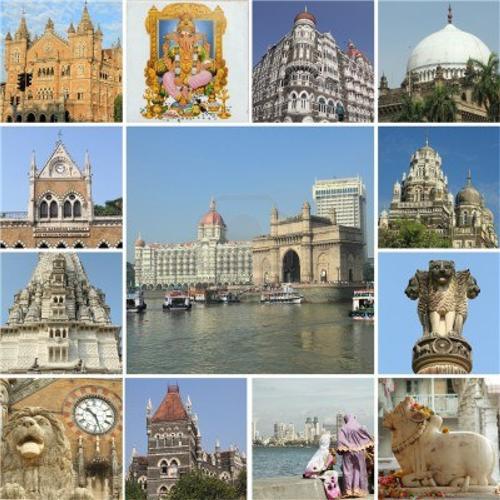
The history of Mumbai is replete with famous monuments that have been important landmarks for significant events and happenings around Mumbai. Among those known globally is The Gateway of India welcoming you from the shores of the Arabian Sea with the Indo-Saracenic architecture is one marvel you must visit the stands strong from 1924.
World heritage site, the Elephanta Caves are a dedication to Lord Shiva that attracts visitors to this day. Another famous place that is a prominent feature in the history of Mumbai is the Flora Fountain. The beauty of the architecture made of Portland stone still exists that has the statue of the Roman Goddess. To this day, you get to see the night light that shines brightly.
People
Credit:Tripsavvy
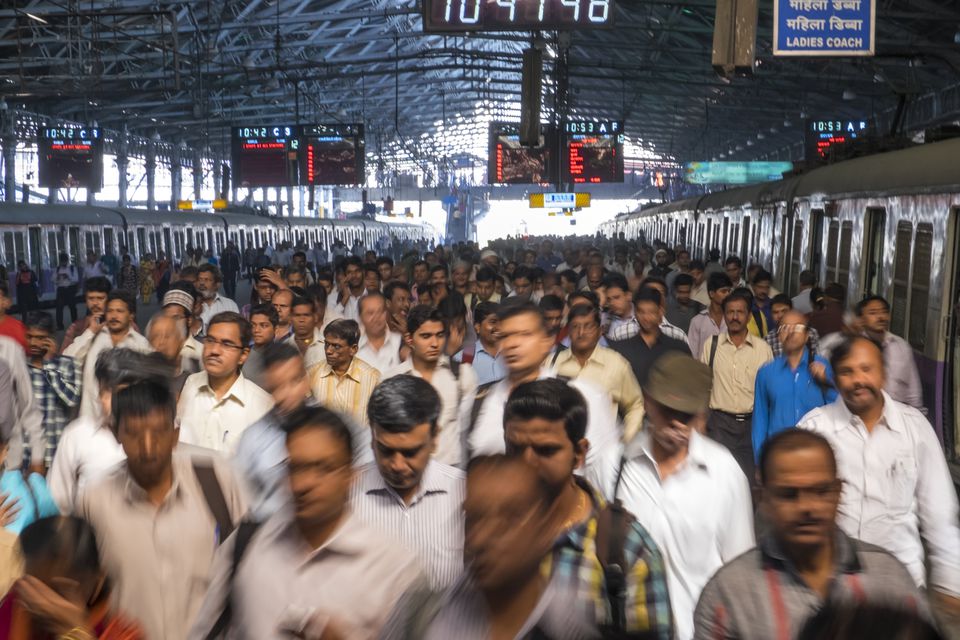
Even though you might encounter crowded spaces and cramped areas, there is room for everyone. Most people on the streets are warm and will extend a hand of friendship for the new traveler. However, like any other place in the world, there is a mix of people. Be alert and keep your belongings safe. About belonging, there are many aspects we yearn for which is the simple tiffin that comes with piping hot food brought by the world famous ‘Dabbawalas.’
TEDxSSN – Dr. Pawan Agrawal – Mumbai Dabbawalas
3. How has Mumbai changed?
History has created opportunities for a better tomorrow. Even while Mumbai transforms into a world-class facility, there are a few things which have elevated its status as international cities to live.
Infrastructure has evolved

Credit:Flickr
Faster means of communication have been the priority since the last few decades. To keep up with international standards, you have the metro trains along with the traditional railways. You have skyscrapers jostling between quaint bungalows. As a newbie to this city, you can expect the necessary facilities to move around quickly, comfortable accommodation and budget-friendly stay with dining facilities.
Considering the populous city, you will find plenty of places to stay. Most suburbs and upmarket areas have the necessary facilities and are welcoming to people from different cultures making the transition smooth.
Monuments and Key Landmarks

Credit:Commons Wikimedia
Over the years, while the monuments have stood the test of time, the new landmarks have become more relevant and contemporary. Some of them are the Nehru Planetarium, World Trade Center (WTC) and Phiroze Jeejeebhoy Towers (BSE Towers). These define the financial status of the city as also the central command of the economic powers.
The Nehru Planetarium is famous for its The Sky Theatre show that brings in more than 200,000 visitors per year. Situated in the upmarket Cuffe Parade, WTC houses companies and is an iconic landmark. BSE Towers is renowned for its financial might and is Asia’s first stock exchange.
The History of Bombay Stock Exchange
People
The mention of people in Mumbai is incomplete without speaking about movies. Bollywood known for its grandeur with dance and stories is in Mumbai. Aspiring actors come to Mumbai to try their luck. Besides, movies many corporate expats are increasingly making Mumbai their home thanks to high pay and a safe and secure cosmopolitan environment.
4. How has its history influenced other aspects of Mumbai’s culture?
The history of Mumbai is one reason that there has been aninflux of people from the world over. The old architecture coupled with modernamenities invite people to explore Mumbai as a tourist, for opportunities or tosoak in the city life as a transition process quickly.
Tourist

Credit: MaxPixel
Perhaps of the most enduring quality of Mumbai is the way culture, rich heritage, language and diverse religions intermingle yet remain as one. Initially, as a traveler, it can be quite a culture shock. However, with time these have come together to make it less intimidating and more forthcoming.
For tourists, history of Mumbai has opened beautiful beaches, lush forests with renowned zoos like the Sanjay Gandhi National Park. Five-star hotels with international amenities are standard in Mumbai. Another rare feature is the expansive Dhobi Ghat (also known as Laundromat or Lavoir) in Mumbai where washers clean clothes from hospitals and hotels.
Opportunities

Credit:HT Campus
If you plan to take a long break and explore Asia for work and leisure, Mumbai can be a good choice. Accommodations vary from budget-friendly to high-end, and you can also try for opportunities in most industries that abound in Mumbai. Among these, tourism and hospitality sectors attract a higher floating population for a considerable scope and culinary experience.
The higher standard of living as compared to other Indian cities also means you can lead a better life at a fraction of a cost in your hometown. Overall, the earning opportunities are competitive, and there is a place for anyone trying to make a mark.
Inclusive

Credit: CNTraveller
Most success stories begin with humble beginnings in Mumbai. A struggler from a remote village can manage to survive and also thrive in Mumbai thanks to it inclusive culture.
Equal opportunities and a competitive scenario is evident in Mumbai with growing educational institutions, training and coaching institutes and skill development for people new to the place and also to boost economic prospects for the city and invite promising investments.
The history of Mumbai in engaging and has changed Mumbai to a thriving city.
While the history of Mumbai has led to many positive results for Mumbai, we hope you loved reading it.
Would you like to know some more things about Mumbai? Share it with us in the comments!
For those planning to travel to Mumbai or study Mumbai as a city, share this list with them!
Related Article: 6 Best Luxury Hotels in Mumbai for Indulgent Travelers