Gucci Scraps AI From Marketing Efforts After Public Backlash
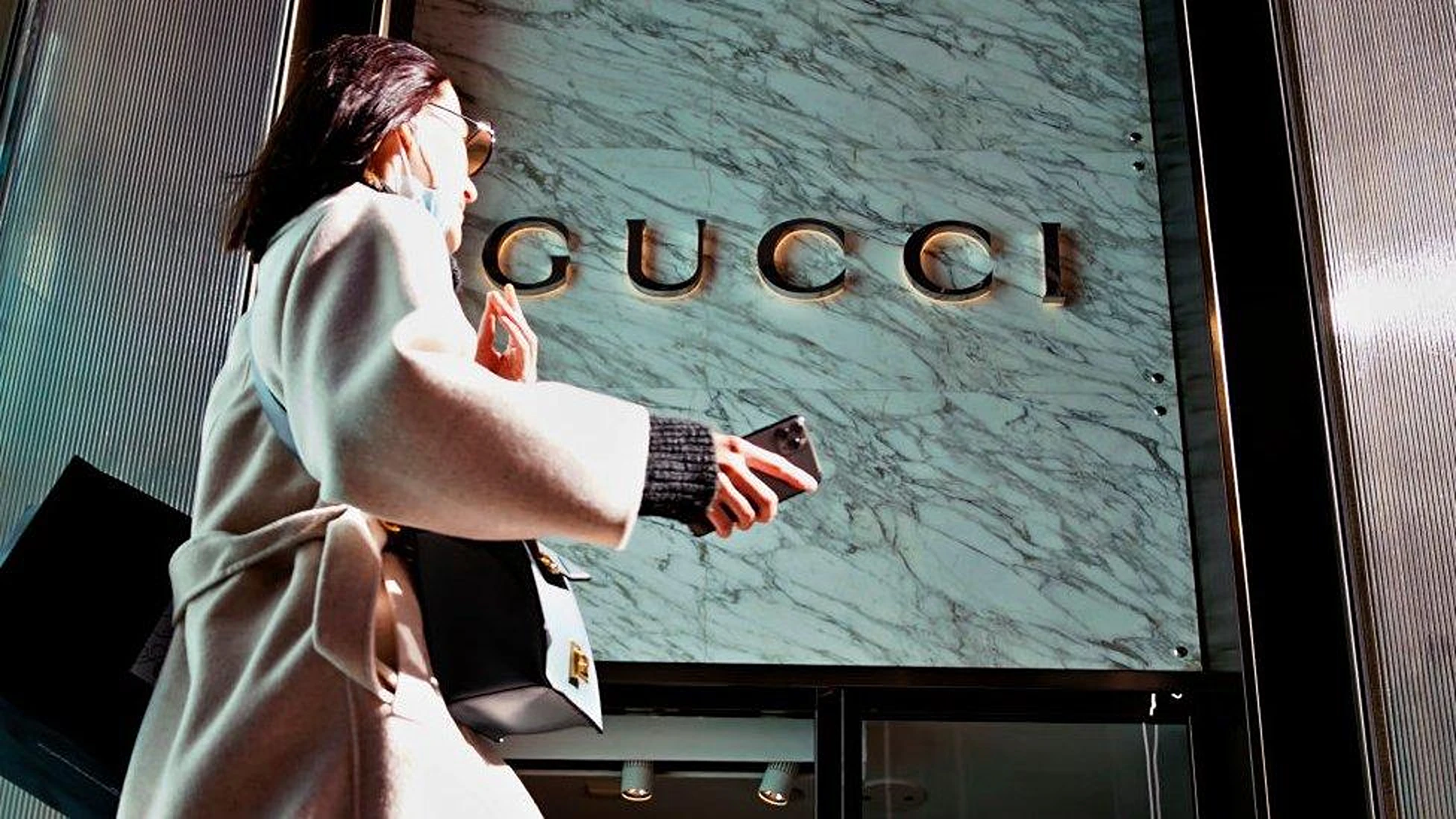
Gucci has abandoned the use of artificial intelligence in future marketing campaigns after facing significant backlash over AI-generated images released ahead of Milan Fashion Week, sources told The Lux Authority on Wednesday.
The reported reversal follows days of online criticism directed at the luxury fashion house after it published AI-created promotional visuals tied to its forthcoming runway presentation in Milan.
The images, which were clearly labelled as “created with AI,” prompted widespread debate about whether the brand’s reliance on generative technology aligned with its longstanding emphasis on creativity and Italian craftsmanship.
Social media users quickly questioned why a heritage label known for artisanal excellence would opt for algorithmically produced visuals rather than collaborating with human photographers, stylists, and models.
“Bleak days when Gucci can’t find a real human Milanese grandmother to wear an outfit from 1976,” wrote one commenter beneath a digitally generated portrait of an elegant older Italian woman dressed in a classic Gucci ensemble.
Questions Over Luxury Identity In The AI Era
Several critics described the campaign imagery as “AI slop,” a term commonly used to characterise the growing flood of often low-quality artificial intelligence content circulating across digital platforms.
Others expressed confusion about why a high-end fashion house associated with craftsmanship and exclusivity would adopt what some perceive as cost-saving automation in a highly visible marketing moment.
The controversy emerged just days before creative director Demna Gvasalia is set to debut his first runway collection for Gucci in Milan, amplifying scrutiny over the brand’s evolving creative direction.
For industry observers, the timing risked overshadowing the anticipated runway show, as attention shifted away from tailoring and textiles toward broader questions about authenticity and technological experimentation.
Not Gucci’s First Foray Into AI
Gucci has previously explored emerging technologies in its marketing initiatives, including commissioning digital artists to produce AI-assisted visuals that were later auctioned as non-fungible tokens through Christie’s.
In December, the brand released an AI-generated video depicting a model strutting confidently down a runway while photographers behind her dramatically stumbled over one another in exaggerated fashion.
That stylised production was framed as a creative experiment, reflecting a wider industry trend in which both luxury labels and high-street retailers such as Valentino and H&M have tested generative tools for advertising and social media storytelling.
Dr Priscilla Chan, senior lecturer at Manchester Metropolitan University’s Fashion Institute, previously cautioned that while technological innovation can generate positive publicity, it also carries reputational risks for luxury brands.
“I think particularly luxury fashion brands need to pay attention [to whether] the latest technology can create positive image for their brands,” Dr Chan said.
Debate Over Creative Boundaries
Photographer Tati Bruening, who has amassed 2.4 million followers on TikTok under the name illumitati, said she was “generally not a fan” of fashion houses relying heavily on AI image generation.
“There are ways to use AI that is non-invasive to the creative ecosystem and I see no problem with that,” she said, suggesting limited applications such as retouching, small edits, or creating mood boards.
“There is a difference between enhancing or editing simple things with AI vs. image generation.”
She added that the campaign could have been intended as a form of commentary rather than a straightforward luxury statement, saying, “I don’t feel that this campaign was necessarily made to reflect luxury but create commentary on what luxury actually is.”