Why More Interior Designers Are Using Acoustic Wall Panels
Acoustic wall panels are no longer confined to recording studios and corporate boardrooms. In recent years, they have emerged as a defining feature in contemporary interior design, combining functionality with striking visual impact.
As open-plan living, high ceilings and minimalist aesthetics continue to dominate modern architecture, designers are increasingly turning to acoustic solutions that enhance both sound quality and style.
A Design Feature, Not Just a Sound Solution
Traditionally, acoustic panels were installed purely to absorb noise and reduce echo. Today, however, they are treated as intentional design elements that shape the character of a space.
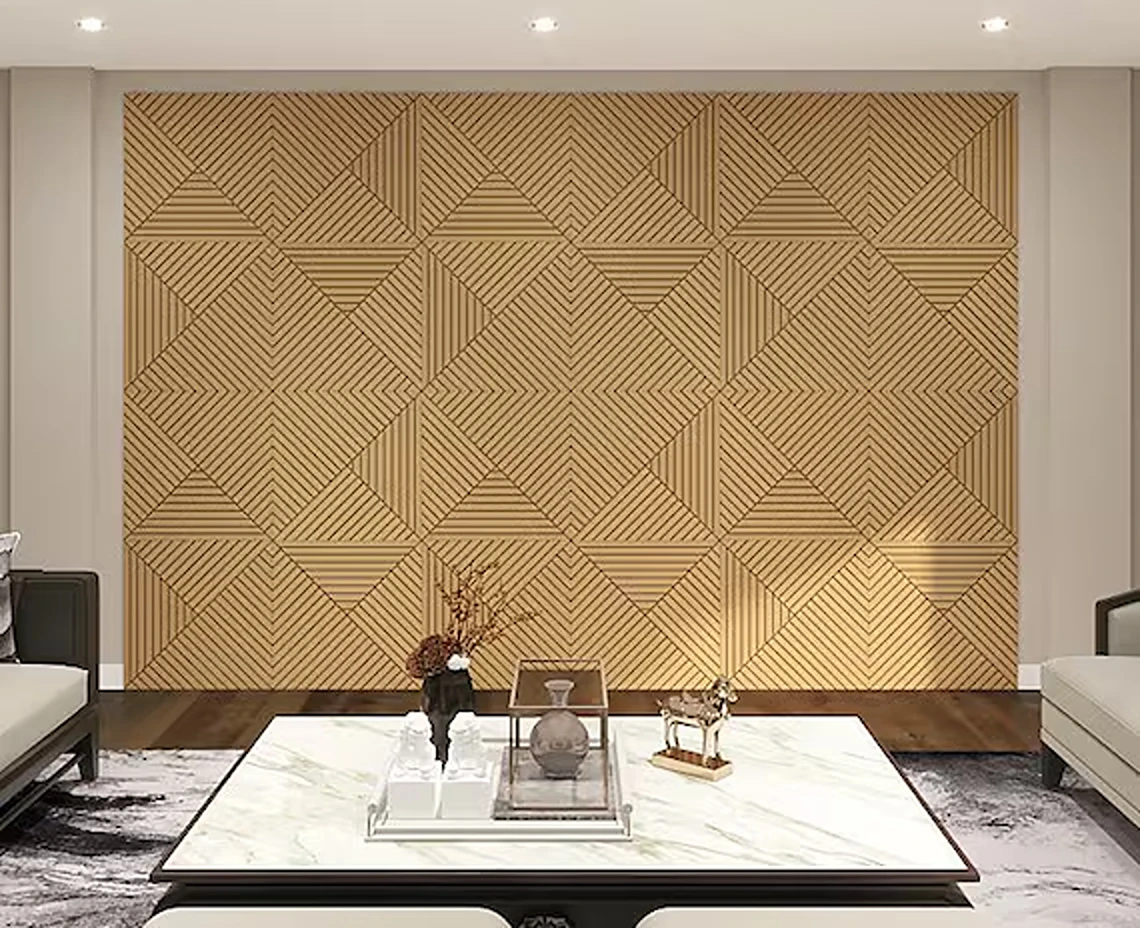
Available in a wide range of textures, colours and patterns, acoustic wall panels can act as focal points, subtle backdrops or even full feature walls.
From soft fabric-wrapped panels to sculptural 3D designs, they introduce depth and dimension that flat painted walls often lack. In living rooms and bedrooms, panels in neutral tones can create a calming, cocoon-like effect.
In offices or creative studios, bold geometric patterns and vibrant colours can energise the space while still controlling reverberation. The visual transformation can be immediate, turning a plain room into something layered and thoughtfully curated.
Enhancing Light and Texture
One of the most significant visual effects acoustic panels bring to a room is texture.
Interior designers often emphasise the importance of balancing hard and soft surfaces. In spaces dominated by glass, metal and concrete, sound can bounce harshly off reflective materials, but these surfaces can also make a room feel cold.
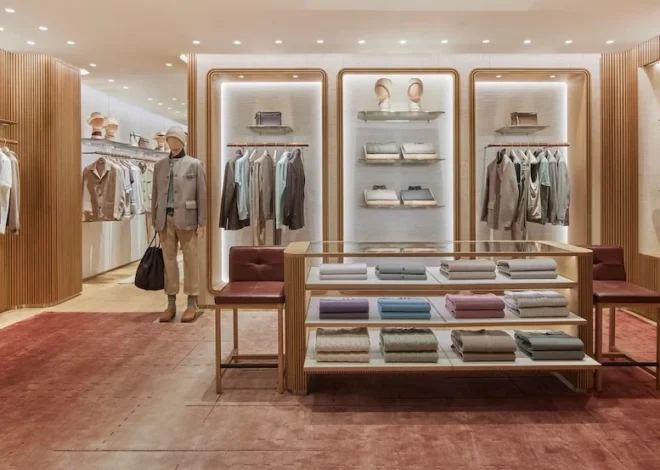
Acoustic panels soften both the sound and the visual atmosphere. Slatted wood acoustic panels, for example, add warmth and rhythm through repeating vertical or horizontal lines.
When paired with concealed lighting, these slats can create subtle shadow play that changes throughout the day.
Fabric panels, on the other hand, absorb light slightly, reducing glare and producing a more intimate feel.
This interplay between light, shadow and texture gives designers more control over how a room is perceived.
Creating Zones in Open-Plan Spaces
Open-plan layouts remain popular in residential and commercial design, but they can lack clear visual boundaries. Acoustic wall panels help define different zones without the need for physical partitions.
A panelled feature wall behind a dining table, for instance, can visually anchor that area within a larger living space.
In offices, acoustic panels can distinguish meeting areas from collaborative zones while maintaining a cohesive aesthetic. This subtle zoning enhances both function and flow, making large spaces feel organised rather than overwhelming.
Supporting Wellbeing Through Design
Beyond aesthetics, acoustic panels contribute to a sense of comfort and wellbeing.
Excessive noise can create stress and fatigue, particularly in busy households or shared workspaces.
By reducing echo and improving clarity, panels make conversations easier and environments more relaxing. The visual softness they introduce also plays a psychological role.
Spaces that incorporate layered textures and muted finishes tend to feel more welcoming and balanced.
As biophilic design and wellness-focused interiors gain traction, acoustic materials that combine natural wood finishes or eco-friendly fabrics are becoming especially popular.
A Growing Interior Trend
With remote work on the rise and homeowners investing more in their interiors, demand for stylish acoustic solutions continues to grow.
What was once a purely technical addition has evolved into a versatile design statement. Whether installed as a subtle accent or a dramatic centrepiece, acoustic wall panels demonstrate how functional elements can enhance both the look and feel of a room.
In modern interior design, sound and style are no longer separate considerations — they are part of the same carefully crafted experience.