Daizen Maeda: The Family and Wife Behind Celtic’s Speed Machine
Daizen Maeda has become one of Celtic’s most dynamic attacking weapons, but away from Celtic Park the Japanese international keeps a life that is markedly more private than his blistering pace on the pitch might suggest.
Early Life and the Meaning Behind His Name
Born on 20 October 1997 in Taishi, Osaka, Maeda’s very name carries the imprint of his upbringing. His parents chose “Daizen” — derived from “Daishizen,” meaning “great nature” — as a deliberate reflection of their parenting philosophy: they wanted their son to grow up outdoors, in close contact with nature, and even selected his school specifically for its access to the natural environment. His father is a veterinarian, while his mother works at an animal hospital, meaning the family’s working life has long revolved around the care of animals, which in turn shaped the household’s relationship with the outdoors. Maeda has described his mother as the emotional anchor of his career, present in spirit at every major milestone.
Family Life and Wife
Maeda’s life away from football is notably guarded. He is married and has at least two children — a daughter and a son — with a third child on the way as of 2025. The birth of his third child was expected to take place in Japan, prompting brief trips home to be with his family during international windows.
The identity of his wife, the exact date of their marriage, and detailed biographical information about her remain out of the public eye — a reflection of Maeda’s evident preference to keep that part of his life away from the spotlight.
Older claims that Maeda is unmarried and childless are simply out of date. He is married, is a father, and has occasionally shared glimpses of his family life, even while keeping his children largely shielded from public attention. This pattern is common among footballers with high international profiles, particularly those who split their time between multiple countries and media environments — a low profile at home often serves as a deliberate counterbalance to a high profile on the pitch.
Career: From Osaka Youth Football to Celtic Stardom
Maeda’s rise has been built on relentless pace and hard running. He came through the youth ranks at Taishi JSC before moving to Kawakami FC, then progressed through Yamanashi Gakuin University High School before signing with J-League side Matsumoto Yamaga in 2016. Loan spells followed at Mito HollyHock in Japan, then in Portugal with Marítimo, before a loan move to Yokohama F. Marinos in 2020, which was made permanent for the 2021–22 season.
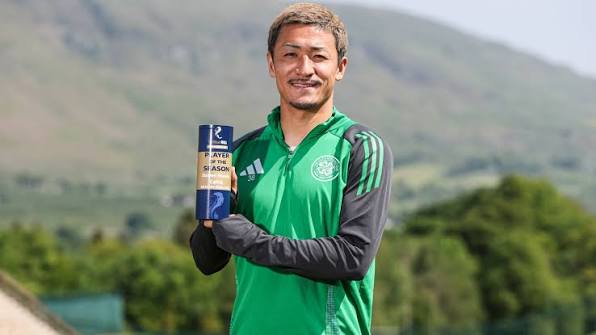
His breakthrough onto the European stage came via a loan to Celtic in 2022, quickly converted into a permanent transfer. Since arriving in Glasgow, Maeda has become a fixture in Celtic’s forward line, prized for his work rate, direct running in behind defences, and knack for timely goals in Champions League and domestic fixtures alike. He currently wears the number 38 shirt and has continued to feature prominently in Celtic’s Premiership and European campaigns into the 2025–26 season, contributing goals and assists across a heavy fixture load.
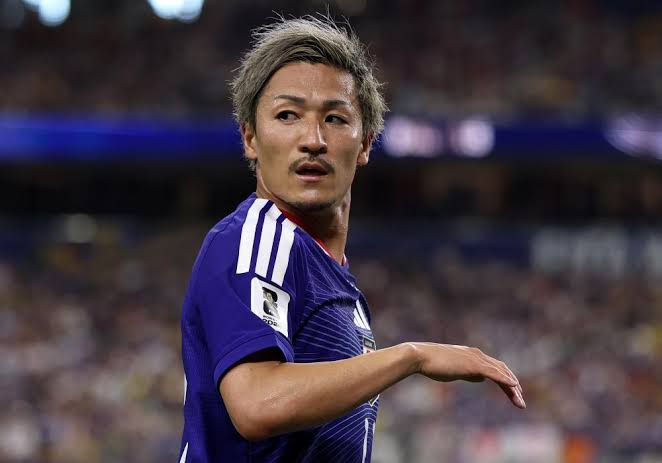
On the international stage, Maeda progressed through Japan’s U23 setup before earning senior caps from 2019 onward, becoming a regular fixture for the Samurai Blue and representing Japan at major tournaments, including World Cup appearances that have raised his profile well beyond Scotland.
Brand Deals and Commercial Profile
Maeda’s commercial appeal has grown alongside his footballing reputation, particularly back home in Japan. He has appeared as an official model for Nike, featuring in campaign imagery for the sportswear giant during time back in Japan away from Celtic duties. The move reflects a broader trend of Celtic’s Japanese contingent — following in the footsteps of teammates like Kyogo Furuhashi — becoming valuable commercial assets for global brands looking to tap into the Japanese football-mad market, where the J-League diaspora playing in Europe commands huge attention.
Beyond apparel, Maeda’s marketability is closely tied to his on-pitch story: a player who moved through lower-tier Portuguese and Japanese football before establishing himself at a major European club and helping fire Celtic to domestic trophies. That narrative arc — coupled with a relatively humble, private off-field persona — has made him an appealing figure for sponsors seeking authenticity rather than manufactured celebrity.
A Private Star in a Public Game
What stands out most about Maeda’s profile is the contrast between his explosive style of play and his understated personal brand. Unlike many modern footballers who cultivate heavily curated social media personas around their families, Maeda has largely resisted turning his marriage or his children into public content — a choice that, in an era of relentless football media coverage, has become almost as notable as his goals.
As Celtic push forward in domestic and European competition, and as Japan continues its rise as a source of top European talent, Maeda’s on-field numbers will likely keep his name in headlines — even as the details of his family life remain, by his own design, largely his own.