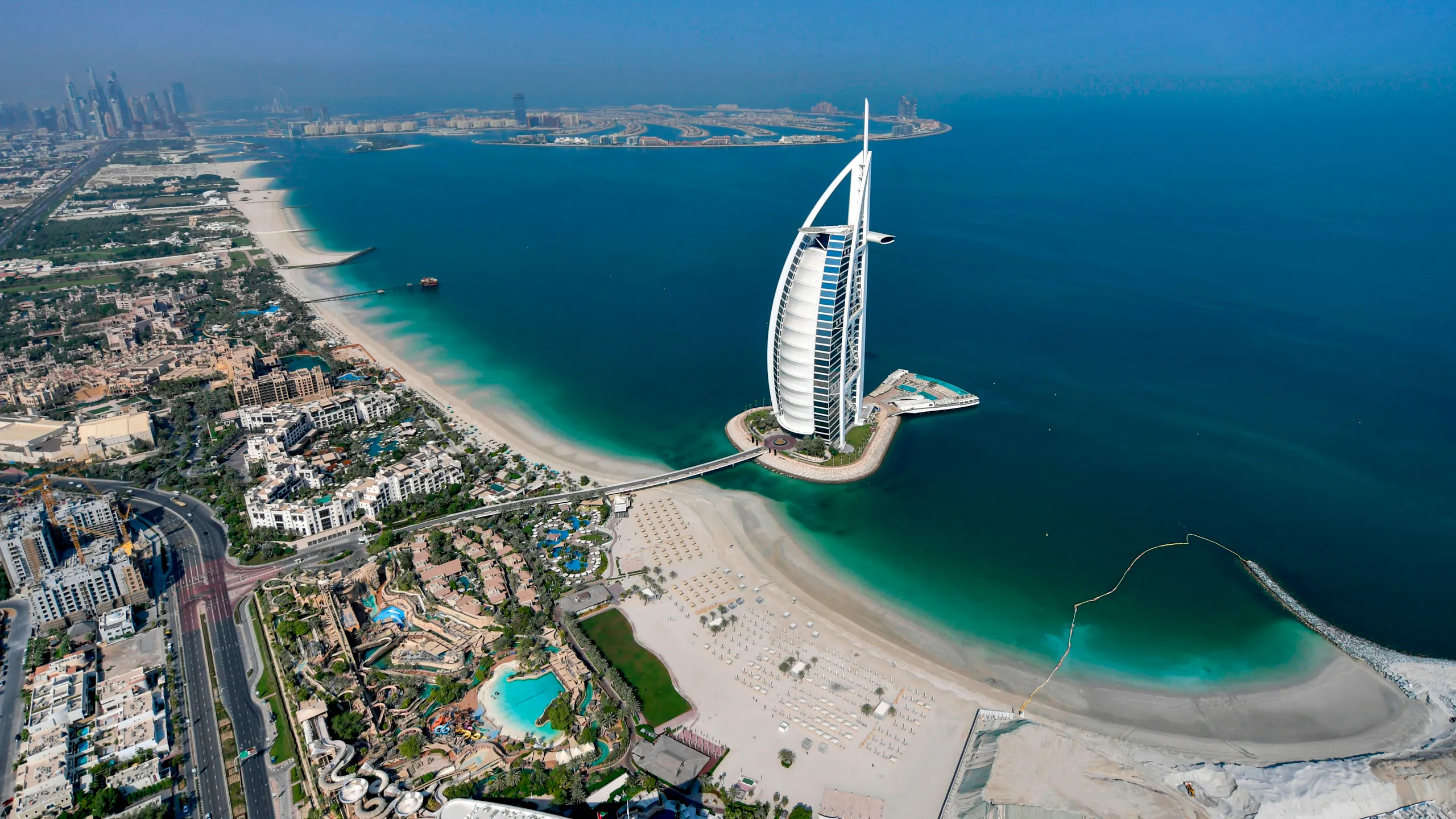
Dubai’s Property Market Cracks, But UAE Investors Remain Bullish
For five years, Dubai’s luxury real estate market was one of the great bull markets in global property. Between 2021 and the eve of the Iran war, residential prices rose by roughly 60 to 75 percent. In 2025 alone, Dubai recorded AED 917 billion, approximately $250 billion, in real estate transactions across 270,000 deals, the highest in its history.
Ultra-luxury properties above AED 10 million recorded 990 transactions in January 2026 alone. A 47,200-square-foot penthouse at the Bugatti Residences set a UAE price record in 2025 at 550 million dirhams, roughly $150 million. And then the Iran war entered the story.
The first missile and drone strikes on UAE soil in modern memory produced an immediate repricing of risk across every asset class linked to the Gulf. The Dubai Financial Market Real Estate Index fell approximately 21 percent in under two weeks following the outbreak of hostilities in late February. The index wiped out all of its 2026 gains.
Hotel occupancy in Dubai collapsed from its normal running rate near 90 percent to just 16 percent in the week ending March 14. Airlines cancelled flights, tourists cancelled trips and the emirate’s economy confronted a challenge to its foundational assumption of permanent safety. Luxury properties on Palm Jumeirah cut nightly rates by as much as half to fill rooms.
“The U.S.-Israel war on Iran is upending that crucial aura of security in Dubai,” said Jim Krane, a fellow at Rice University’s Baker Institute. Dubai’s millionaire population had doubled since 2014 to more than 81,000, and the city’s entire investment narrative had been built around being conflict-free.
The crucial analytical distinction that property professionals in Dubai have been making to nervous investors is between the stock market index and actual physical property transaction prices. The DFM Real Estate Index measures how publicly listed real estate development companies are trading on the stock exchange, not what apartments and villas are changing hands for in the secondary market.
Physical property prices have declined more modestly, with analysts describing falls of around 5 to 10 percent in the luxury segment alongside broadly stable mid-market pricing. Transaction volumes dropped roughly 30 percent in March compared to the previous month, but deals that did occur continued to generate $3.24 billion per week in the early April window.
S&P Global Ratings noted that the luxury segment carries the highest risk from a prolonged conflict, as high-net-worth individuals and foreign investors reassess their allocations to a market whose safe-haven narrative has been complicated. “The longer the conflict persists, the more pronounced the declines are expected to be, especially for smaller and less established developers,” the ratings agency added.
Tuesday night’s ceasefire announcement changes the calculus meaningfully. Iran’s statement confirming safe passage through the Strait of Hormuz during the two-week window is the necessary first condition for Dubai’s hospitality and tourism infrastructure to begin recovering. The Dubai airport, damaged in an Iranian missile strike, represents the physical gateway through which tourists and investors must pass, and its full operational return is a precondition for the transaction pipeline to rebuild.
The structural underpinnings of the market remain intact in ways that distinguish the current episode from Dubai’s prior property crashes of 2008 and 2014. The Golden Visa programme, zero income tax, world-class infrastructure and continued demand from global wealth migration all remain in place. What has changed is the psychological risk premium attached to holding assets in a city that has demonstrated it can be struck by enemy missiles. Whether that premium fades as the ceasefire holds, or persists as a permanent discount, is the question that will determine the character of the recovery.