Gucci Sales Drop 14% and LVMH Records Worst Start to Year on Record Amid Luxury Headwinds
Europe’s luxury conglomerates reported their most damaging quarterly results in years in mid April, with LVMH, Kering and Hermes all citing the ongoing conflict in the Middle East as a material drag on first quarter performance and leaving investors bracing for a sector recovery that has now failed to materialise for the third consecutive year.
LVMH, the world’s largest luxury group by revenue, reported Q1 revenue of €19.1 billion, down 6 percent on a reported basis, with the conflict directly costing the group a full percentage point of organic growth. LVMH’s chief financial officer Cecile Cabanis said that when hostilities began and during the month of March, there was a deterioration in demand of between 30 and 70 percent depending on location and business type across the group’s Middle East operations. LVMH shares posted their worst quarterly start to a year on record during the period.
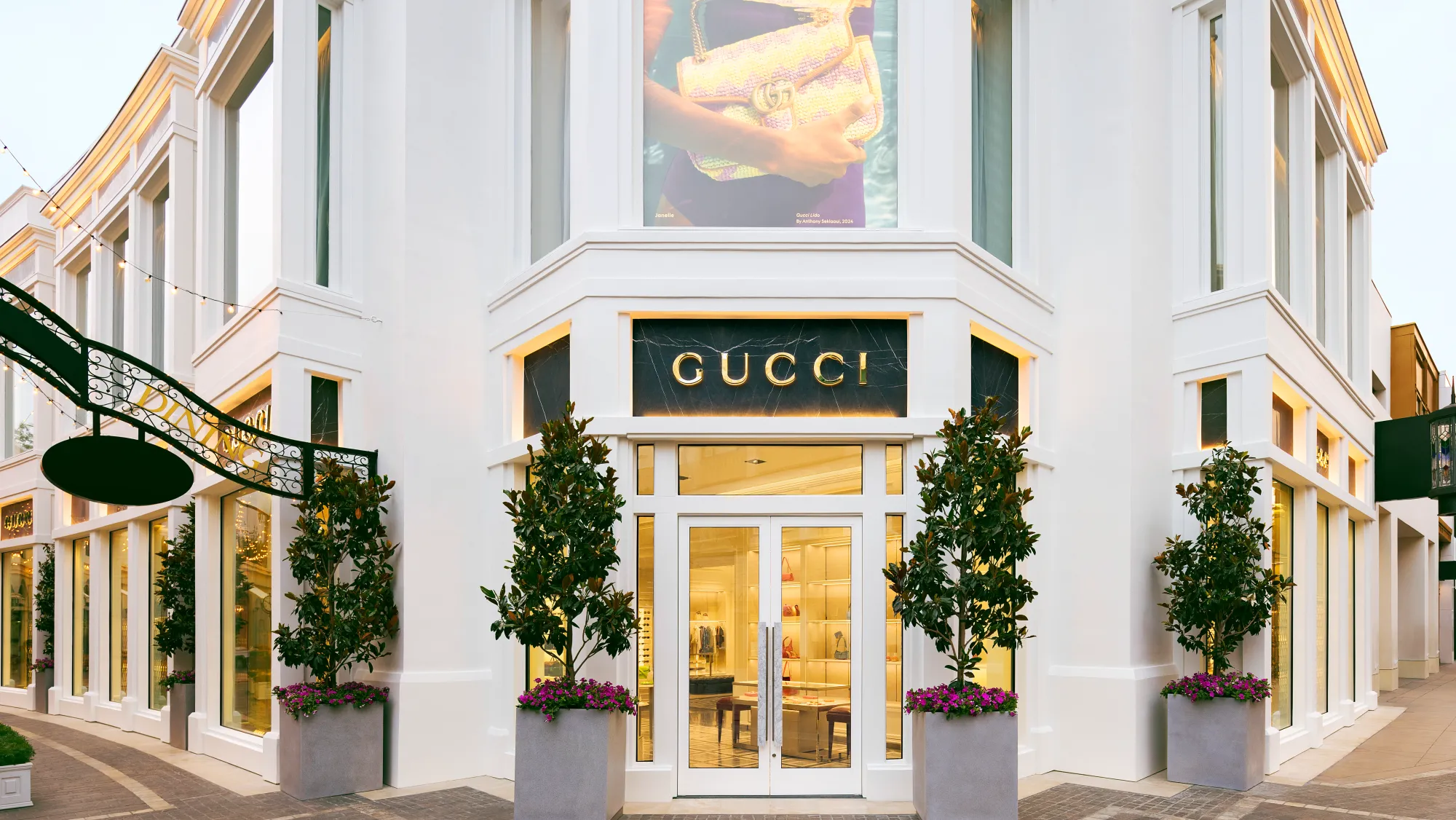
Kering fared worse. The Paris listed group reported Q1 revenues of €3.57 billion, down 6 percent year on year on a reported basis and flat on a comparable currency adjusted basis, but it was the performance of flagship brand Gucci that alarmed analysts. Gucci’s organic sales declined 8 percent year on year, a steeper fall than the 6 percent decline the market had forecast, with reported revenue falling 14.3 percent to €1.35 billion. Kering’s retail revenue across its 79 stores in the Middle East fell 11 percent during the quarter. Kering shares closed 9.3 percent lower on results day and remain down approximately 7 percent for 2026 overall.
Hermes, the sector’s traditional outperformer, reported year on year sales growth and maintained its relative advantage over peers, but said activity had been significantly affected by the Middle East situation and its shares still fell 8.2 percent, a measure of how much the market had been pricing in continued immunity to the pressures weighing on the rest of the sector.
The broader luxury index pulled down Burberry, Christian Dior and Moncler alongside the three reporting groups on the day.
The results close off what was meant to be a recovery year. The sector entered 2026 with new creative directors generating product momentum at several houses, with Chanel releasing new sought after handbags under Matthieu Blazy and Gucci’s new creative head presenting early collections. American wealthy consumers had been spending freely as domestic equity markets rose through January, and China’s tentative recovery that began in late 2025 appeared to be holding.
The outbreak of conflict involving Iran disrupted that picture, driving energy prices sharply higher, weighing on stock markets and reducing tourist flows through the Gulf region, which accounts for approximately 5 percent of global luxury sales according to HSBC analysts. HSBC has since cut its 2026 sector growth forecast to 5.9 percent from 7 percent, though analysts acknowledge even that revised figure may prove optimistic depending on how the geopolitical situation develops.
Since the end of the post pandemic luxury boom in 2022, the combined market capitalisation of LVMH and Kering alone has fallen by more than €100 billion. LVMH shares now trade at approximately 20 times forward earnings, below their five year average of around 24 times, while Hermes trades at 36 times forward earnings, well below its five year average of approximately 48 times.
Kering’s Capital Markets Day followed the Q1 results, at which incoming chief executive Luca de Meo was expected to present the group’s strategic roadmap under the title ReconKering, with investors watching closely for evidence that Gucci’s structural decline can be reversed under its current direction.