LVMH Posts Worst Quarter in Its History as Iran War Rewrites the Luxury Investment Thesis
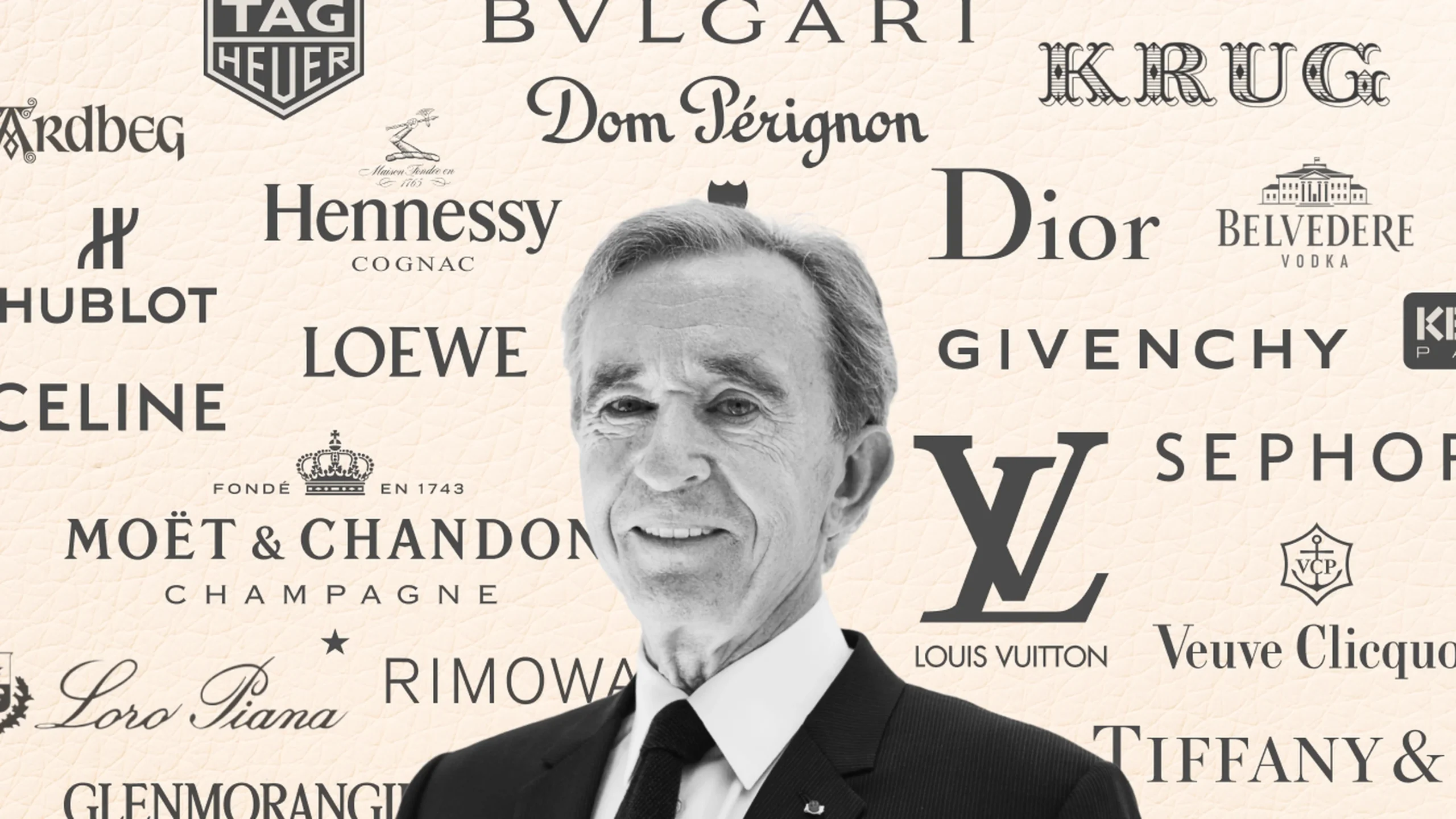
Bernard Arnault’s empire has not faced a quarter this damaging in the company’s entire recorded history. LVMH shares fell 28 percent in the first quarter of 2026, surpassing losses registered during the global financial crisis of 2008, the Covid-19 pandemic of 2020 and the dot-com crash of 2001. Bloomberg’s analysis stretching back to 1989 found no prior quarter matching the severity of the decline.
The stock now trades below 20 times expected forward earnings, a valuation level that would have seemed inconceivable just 18 months ago. Bernard Arnault’s personal fortune dropped by approximately $55 billion in the quarter alone, the largest single-quarter wealth loss among the 500 richest individuals tracked by the Bloomberg Billionaires Index.
The financial damage is concentrated across multiple channels simultaneously, which is what makes this downturn structurally different from past disruptions. The Middle East had been growing at a pace that offset stagnation in China and mixed results in Europe. It accounted for roughly 6 percent of luxury sales for most major houses, but its function as a growth engine was outsized relative to that modest share.
Dubai had become the fastest-growing luxury retail hub globally through 2024 and 2025, with 500 properties selling for more than $10 million last year compared to just 30 in 2020. The disruption to tourism, travel retail and high-net-worth spending across the Gulf removed the one geography carrying the entire industry’s recovery narrative.
UBS luxury analyst Zuzanna Pusz described investor sentiment in the sector as “the most bearish in years” in a recent research note. She added that “heightened geopolitical uncertainty is likely to weigh on near-term earnings and delay the long-awaited inflection in fundamentals.” The collective market capitalisation destruction across LVMH, Hermès, Kering and Richemont amounts to roughly $100 billion since the war began on February 28.
Barclays predicted LVMH could suffer the equivalent of three weeks of lost Middle Eastern tourist sales during the conflict. Deutsche Bank characterised the selloff as a “cyclical de-rating” rather than a structural failure, arguing that valuations would bounce back quickly once the macro outlook improved.
UBS went further, projecting potential recoveries of up to 40 percent in LVMH stock and 32 percent in Richemont once geopolitical uncertainty fades. The ceasefire announced Tuesday night by President Trump carries enormous significance in that context.
Iran’s confirmation of safe passage through the Strait of Hormuz, if it holds, would begin to normalise regional tourism and reopen Dubai’s travel retail corridors. Ferrari and Bentley had previously suspended shipments to the region due to security concerns. The resumption of those deliveries and the recovery of Gulf hotel occupancy would together constitute a meaningful second-half tailwind.
LVMH reports Q1 results on April 13, Kering on April 14 and Hermès on April 15. For luxury investors, the ceasefire is not just a geopolitical relief event. It is potentially the catalyst the sector has been waiting on for five weeks.