What Is Black Tie Attire for a Woman? The Complete Guide to Getting It Right
Many women find black tie attire a challenge, as the styles are not as clear as they are for men.
Few dress codes cause more confusion than black tie. It sounds specific, even restrictive, yet in practice it leaves enormous room for interpretation, especially for women. Understanding what is black tie attire for a woman means navigating a dress code with real rules at its core while also recognizing how much creative freedom exists within those rules.
Whether you have received an invitation to a gala, a formal wedding, a charity dinner, or an awards evening, this guide covers everything you need to know.
The Foundation: What Black Tie Attire Actually Means for a Woman
Black tie is a formal dress code that originated in the late nineteenth century as a slightly less formal alternative to white tie, which required tailcoats and full regalia. For men, black tie has remained relatively consistent: a tuxedo, dress shirt, bow tie, and formal shoes. For women, the equivalent has always been more fluid, but the underlying expectation is the same. Black tie signals a formal occasion where guests are expected to dress at their most elevated and polished.
The short answer to what is black tie attire for a woman is this: a floor-length gown, a sophisticated cocktail dress, or a formal jumpsuit or separates that match the elegance of a gown. The emphasis is on formality, quality of fabric, and attention to detail. This is not the occasion for casual fabrics, overly trendy pieces, or anything that reads as daytime wear.
The Floor-Length Gown: The Classic Choice
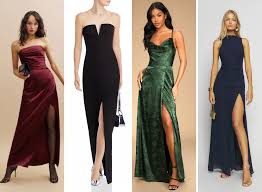
The floor-length evening gown is the most traditional and unambiguous response to a black tie dress code. It sends an immediate signal that you understand the occasion and have dressed accordingly. The beauty of the floor-length gown is its range. From a sleek column dress in silk or satin to a dramatic ball gown with a full skirt, from a backless halter cut to a long-sleeved velvet style, there is a version of the floor-length gown to suit every body type, personal aesthetic, and budget.
When choosing a gown for a black tie event, fabric matters enormously. Silk, satin, velvet, chiffon, crepe, and lace all read as appropriately formal. Fabrics that look too casual or synthetic under formal lighting will undermine even a beautifully cut dress. Invest in the best quality fabric you can afford, or look carefully at how a fabric photographs and moves before committing.
Color is not restricted. While black is eternally appropriate and endlessly chic for black tie, rich jewel tones, classic ivory and cream, deep navy, emerald, and burgundy all work beautifully. Metallics — gold, silver, bronze — are particularly well-suited to evening events and catch the light in ways that feel inherently formal. Bold colors and even prints can work if they are executed in a sufficiently formal fabric and silhouette.
The Cocktail Dress Option
Many women wonder whether a cocktail dress is acceptable for a black tie event, and the honest answer is: it depends. A standard cocktail dress, knee-length or just above or below, is technically below the formality level of black tie. However, a midi-length dress in a formal fabric with appropriate accessories can work if the overall look reads as polished and elevated.
If you are choosing a shorter dress for a black tie occasion, prioritize fabric and detail above all else. A heavily embellished dress, a structured design in a luxurious fabric, or a dress with exceptional tailoring can all communicate the right level of formality even without floor-grazing length. The general rule is that the shorter the dress, the more important it becomes to ensure every other element of the look — shoes, bag, jewelry, hair — is immaculate.
For a safe and stylish middle ground, a midi dress that falls between the knee and ankle is an excellent option. It offers some of the ease of a shorter dress while reading closer to the formality of a gown.
Jumpsuits and Formal Separates
The formal jumpsuit has firmly established itself as a legitimate answer to what is black tie attire for a woman. A wide-leg jumpsuit in silk, satin, or crepe, with a tailored or elegant neckline, is both sophisticated and contemporary. It is a particularly good option for those who find gowns impractical or who simply prefer trousers.
Formal separates — a floor-length skirt with a silk or beaded top, for example — also work well and allow for more creative mixing of pieces you may already own. A velvet or embellished top with a sleek wide-leg pant in a matching or complementary fabric is another strong option. The key is that both pieces read as intentionally formal rather than as office wear or smart casual.
Shoes, Bags, and Accessories
Accessories at a black tie event should be deliberate and refined. Heels are the traditional choice and remain the most formal option, but elegant flat sandals or embellished flats are now widely accepted, particularly as the fashion world has broadly moved away from the expectation that all women wear heels.
Evening bags should be small and formal: a clutch in satin, velvet, beaded fabric, or metallic leather is ideal. This is not the occasion for a large tote or a casual crossbody. Keep the bag minimal and let your dress carry the visual weight.
Jewelry should feel considered rather than piled on. Black tie events call for pieces that have some substance — fine jewelry, statement earrings, an elegant bracelet or cuff, or a striking necklace. Costume jewelry can work if it is well made and intentional, but pieces that look cheap under the bright lighting of a formal venue will be noticeable.
Hair and Beauty at a Black Tie Event
The overall presentation matters as much as the clothing itself when it comes to black tie. Hair and makeup should feel polished and done rather than casual. This does not mean rigid or overdone — a sleek low bun, elegant waves, or a refined updo all communicate the right level of effort. Similarly, makeup can be minimal and luminous or bold and dramatic, but it should look intentional.
What to Avoid
Certain choices reliably undermine a black tie look. Casual fabrics like cotton, denim, or jersey in simple cuts read as underdressed regardless of how stylish they might look in other settings. Overly casual shoes — trainers, ankle boots, platform sandals of a casual style — send the wrong signal. Heavily casual accessories, visible loungewear references, or anything that looks like it belongs in a different context will stand out in the wrong way at a formal event.
The Bigger Picture
Understanding what is black tie attire for a woman ultimately comes down to one guiding principle: dress at your most formal, polished, and intentional. Within that framework, there is genuine room for personal expression. The gown is the classic choice, but a stunning jumpsuit, an embellished midi dress, or a beautifully cut pair of formal trousers with an exquisite top can all work perfectly. Black tie is not about conformity — it is about showing up with care, choosing quality, and honoring the formality of the occasion with how you present yourself.
When in doubt, go more formal rather than less. Overdressing for a black tie event is rarely a problem. Underdressing almost always is.